




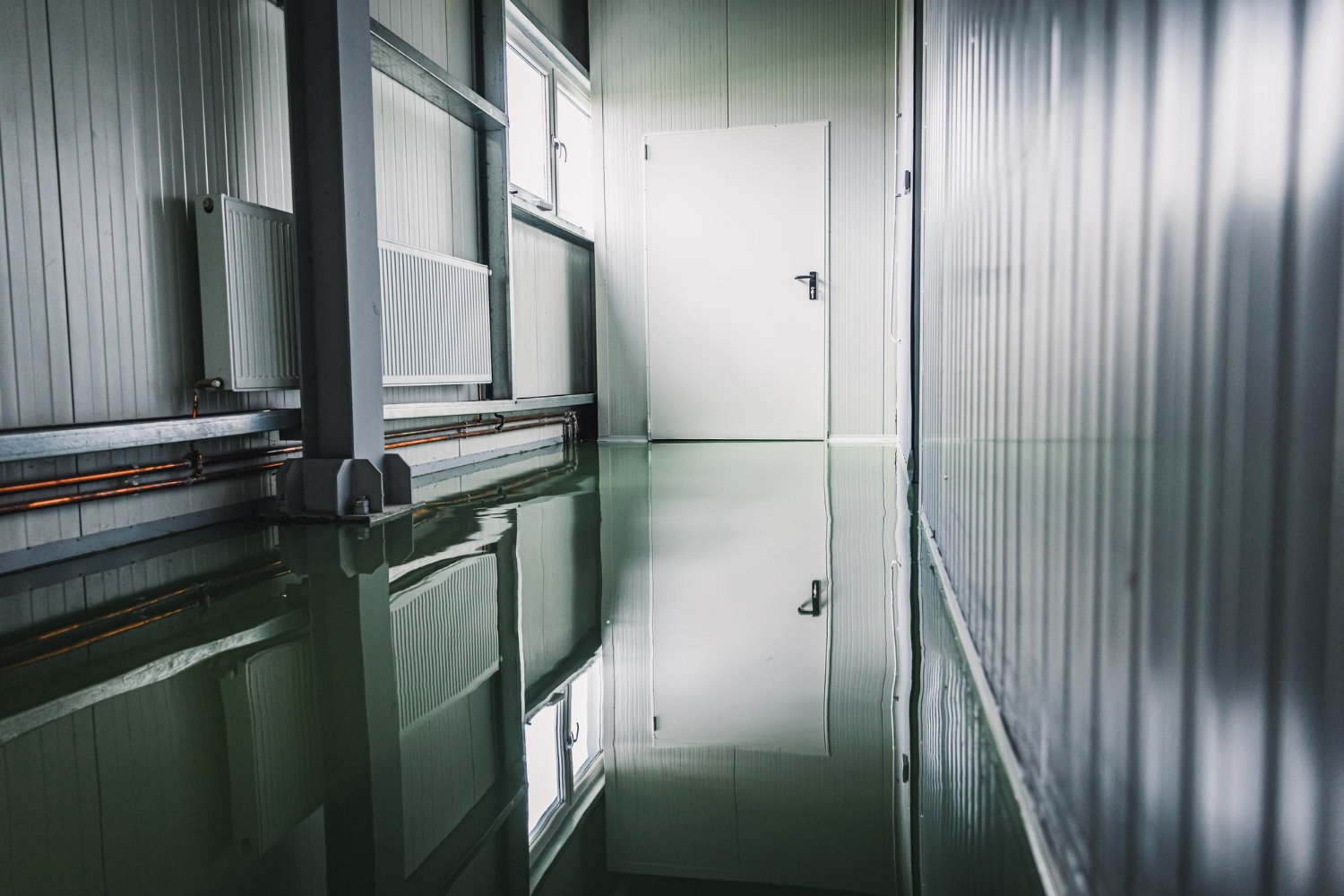
How to choose the right technical door?
Back to guideHow to choose the right technical door?
When equipping a house with woodwork, i.e. selected windows and doors, technical and visual aspects are the main considerations. Manufacturers outdo each other with offers, proposing unique colors, designs and finishing accessories, so that the chosen model meets aesthetic expectations. However, for applications of a utilitarian nature, richly decorated doors with a sophisticated appearance are not always needed. In factories, warehouses or production halls, technical doors are primarily a barrier between different rooms, able to provide protection from fires or controlled access to different zones and protect workers from dangerous working conditions. In homes and apartments, technical doors are installed where their use is based on practicality, so they serve as entrances to storage rooms, pantries, warehouses, basements, cells, garages or attics. So how to choose the right variant for each application and what to pay special attention to?
Types of technical doors – which one to choose?
Technical doors are simple in design, usually made of color galvanized sheet metal, filled with thermal insulation in the form of polystyrene foam, and equipped with basic types of locks and handles. In addition to solid wings, there are also variants with glass, and in special cases glazed technical doors can be equipped with reinforced glass. It is worth remembering that in the case of rooms whose access is protected by external technical doors, it is good for them to be of the appropriate burglary class, at least RC2 or RC3. On the other hand, wherever there is an increased risk of fire, for example, in boiler rooms, technical doors should be in fire resistance classes EI30 or EI60. Steel fire doors offered on the market, of course, have all the required certificates of conformity, which are worth checking before purchase.
Properties of technical doors – what to pay attention to?
Full or glazed technical doors should be chosen according to their intended use, paying attention to the properties of interest, such as burglar resistance, fire resistance or smoke tightness. Solid interior doors, installed between the house and the garage located in the body of the building, should be insulated to prevent the penetration of cold air into the apartment, which could raise heating costs. This is a very important feature that should be taken into account especially in energy-efficient construction. And when it comes to external technical doors, which provide a side entrance to the garage, they must guarantee a high level of security – in the category of technical doors there are models with an anti-burglary class RC3.
Criteria for choosing an engineered door for your home
The choice of technical doors for the home should not be underestimated and ordered without discernment. The most common mistake made when buying technical doors is to choose classless doors for rooms where dedicated, specialized variants should be installed, for example, with fire protection properties for boiler rooms or burglar-proof properties for exterior doors. These specific features are clearly defined by the standards you should look for on the product sheet: PN-EN 1627:2012 – burglary resistance or PN-EN 16034:2014-11 – fire resistance. A wrong purchasing decision can pose a potential threat to life and property, as well as cause difficulties in insuring your home or obtaining compensation in the event of damage. Care should be taken to ensure that the technical door chosen has the appropriate certification of its resistance class, covering the entire product, that is, including all the components and additional options used in it. For example, the building code clearly specifies what should be taken into account when choosing a door for a room with a furnace that heats water in the system. Among other things, the technical door to the boiler room should have a minimum width of 80 cm and be of at least EI30 fire resistance class, as well as opening to the outside.
Installation of technical doors – how to do it correctly?
Of course, the basic principle of a well-executed installation is, first of all, correctly and reliably performed measurements. Any errors made and even minor mistakes at this stage make correct installation almost impossible later, in principle, and installers encountering the problem often try to cover up any deviations when setting the door frame in the opening. It should be borne in mind that a complaint addressed to the manufacturer of technical doors may have no basis for its positive consideration due to the irregularities committed during the insertion of the door. Unprofessionally carried out installation can cause a gradual loss of properties and lead to damage or irreversible deformation of the leaf. Thus, the experience of installers must go hand in hand with skill and knowledge of the specific product, because each door requires a proper installation approach, as well as thorough preparation, not to mention, of course, reading the instructions from the manufacturer.
Frequently asked questions about technical doors
Armed with knowledge of technical doors and the realization that this category should not be taken lightly, customers can focus on specific product features. Can any technical door be installed outdoors? While they will be weatherproof or insensitive to corrosion, the ability to deter attempted intrusions is an important consideration here. Care should be taken to ensure that a door that is a side entrance, for example, to a garage or a boiler room with a passageway to the garage, has the appropriate class of burglary resistance. Thus, they will not be a potential weakest point that is easily forced. Can technical doors be equipped with ventilation? Reputable manufacturers offer the possibility of installing in them ventilation grilles or sleeves, located in the lower part of the leaf, which provide better ventilation and air exchange, if the room requires it. This is a good solution, for example, for laundry rooms or basements or cells exposed to increased humidity.
See also
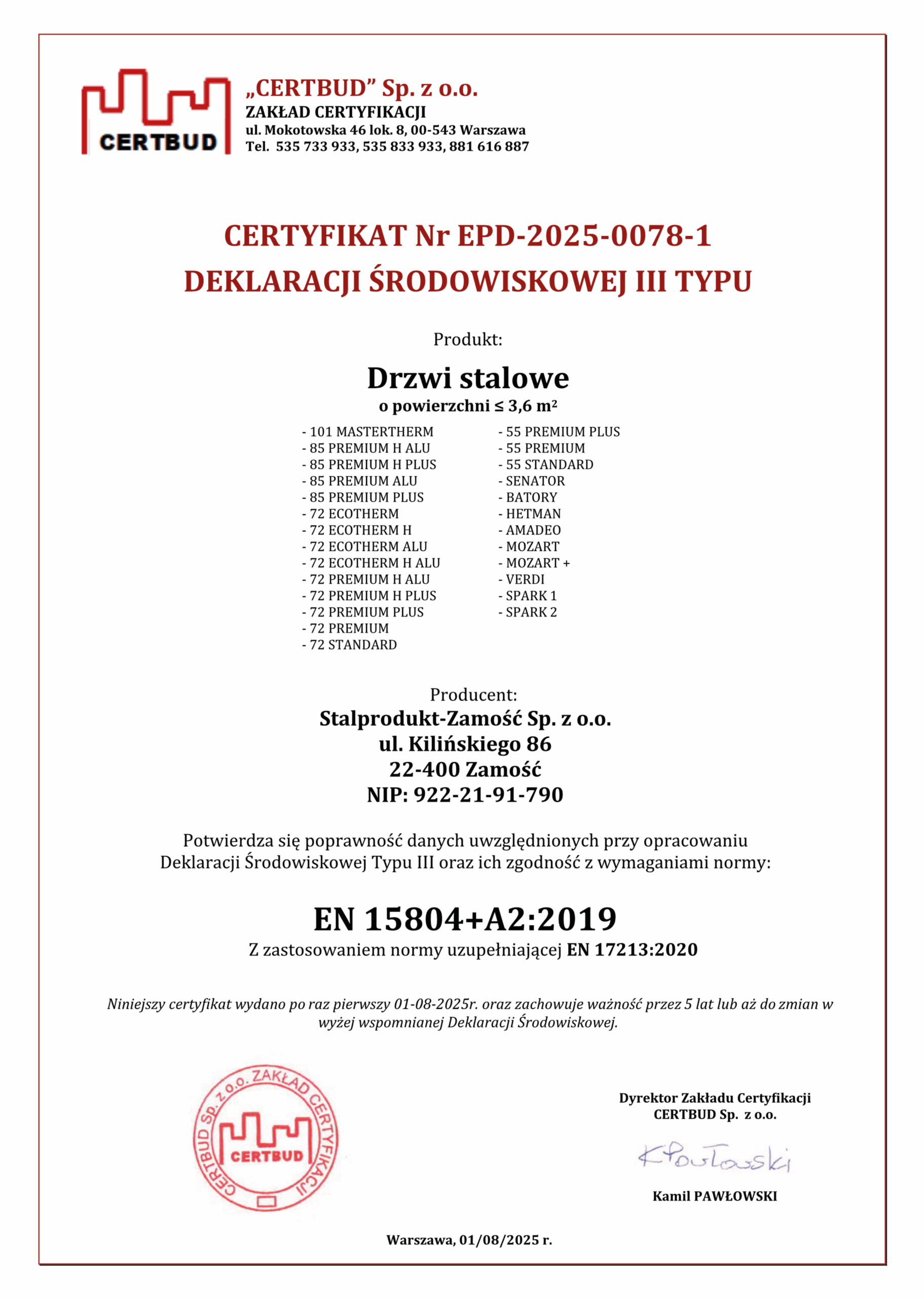
EPD – the certificate of the future in the industry
At Stalprodukt-Zamość Sp. z o.o., we believe that responsibility for a product does not end with its functionality,…Read more
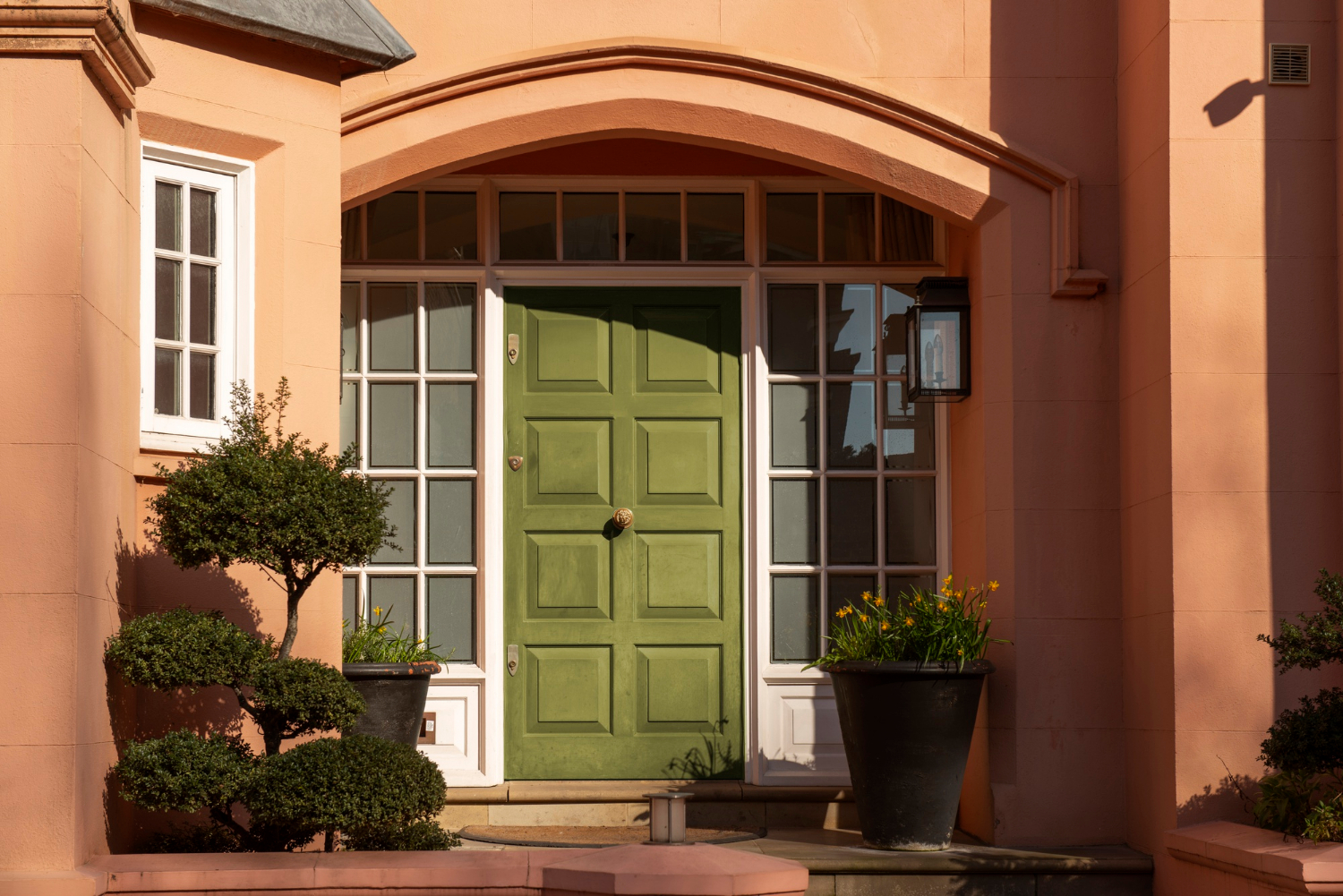
What color exterior door to choose for your home? Practical tips
What color exterior door to choose for your home? Practical tips Choosing an exterior door is a decision…Read more
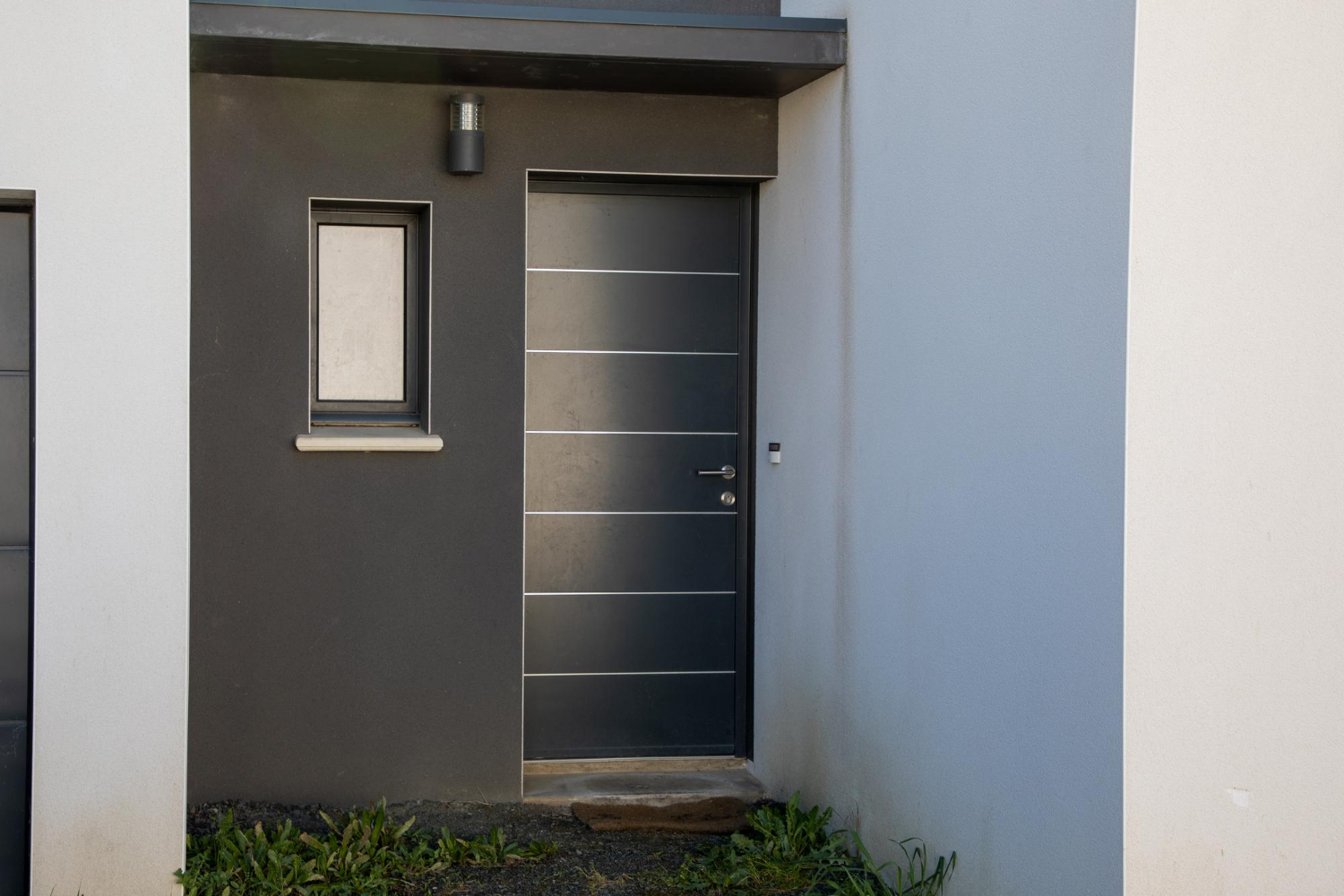
When to install exterior doors in a new home, and when to install interior doors?
When to install exterior doors in a new home, and when to install interior doors? The construction of…Read more